
The Days of the Week in Irish


Observed around the world, St. Patrick’s Day is a chance for everyone to embrace the Irish culture, regardless of where they are or what their heritage might be. It’s a day to don yourself in green, enjoy a parade if your town has one, and grab a pint of Guinness, if you’re so inclined. However, these common activities aren’t the only tactics to “be a little Irish” on March 17th. Instead, there are plenty of opportunities to authentically delve deeper into the Irish culture. Perhaps one of the best ways to partake in the tradition of St. Patrick’s Day, and honor the Irish, is to learn a little more about them.


This guide of the 12 best free online resources for learning Irish will help you be independently active in your learning journey.

Here are 10 Ways To Improve Your Irish Listening Skills and to help you become more fluent in Irish.
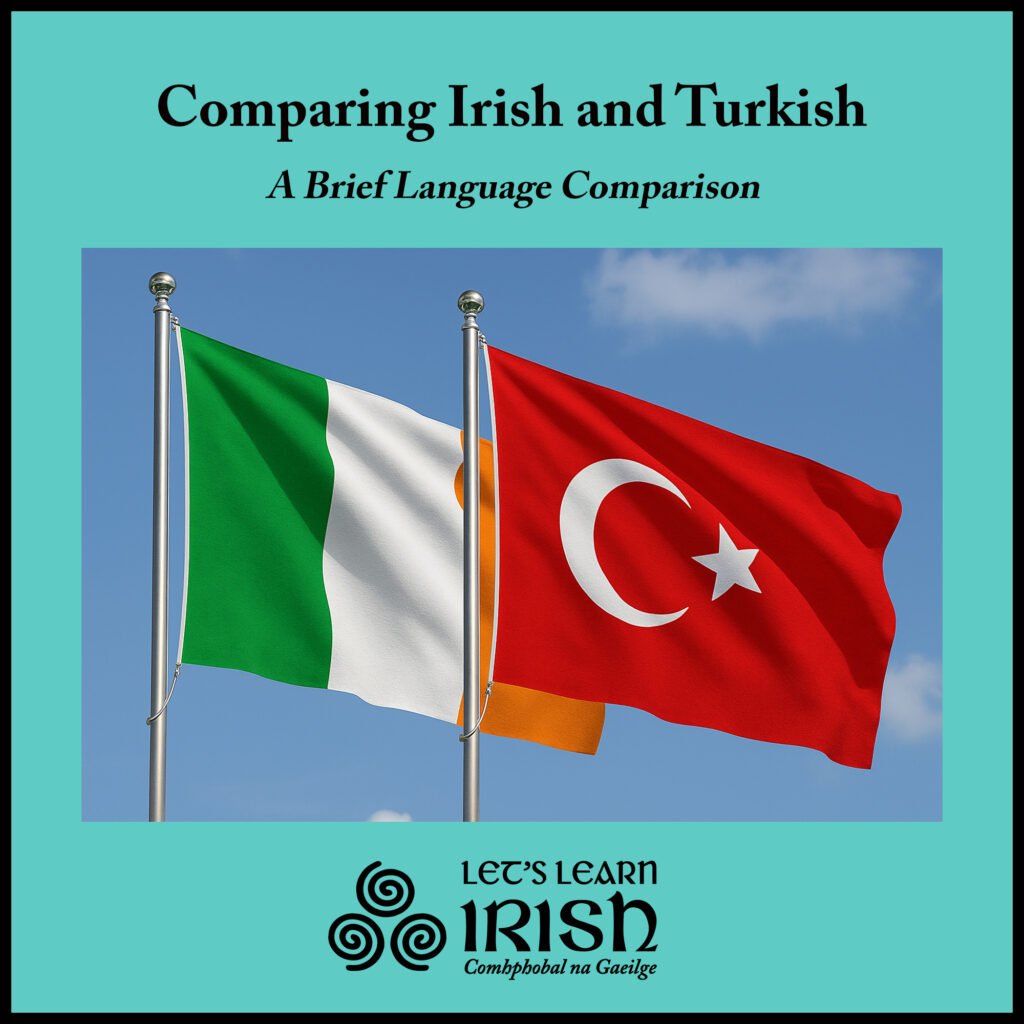
Ani, an Irish learner in Turkey, compares similarities between Irish and Turkish, and helps us to pick up a few Turkish words in the process!

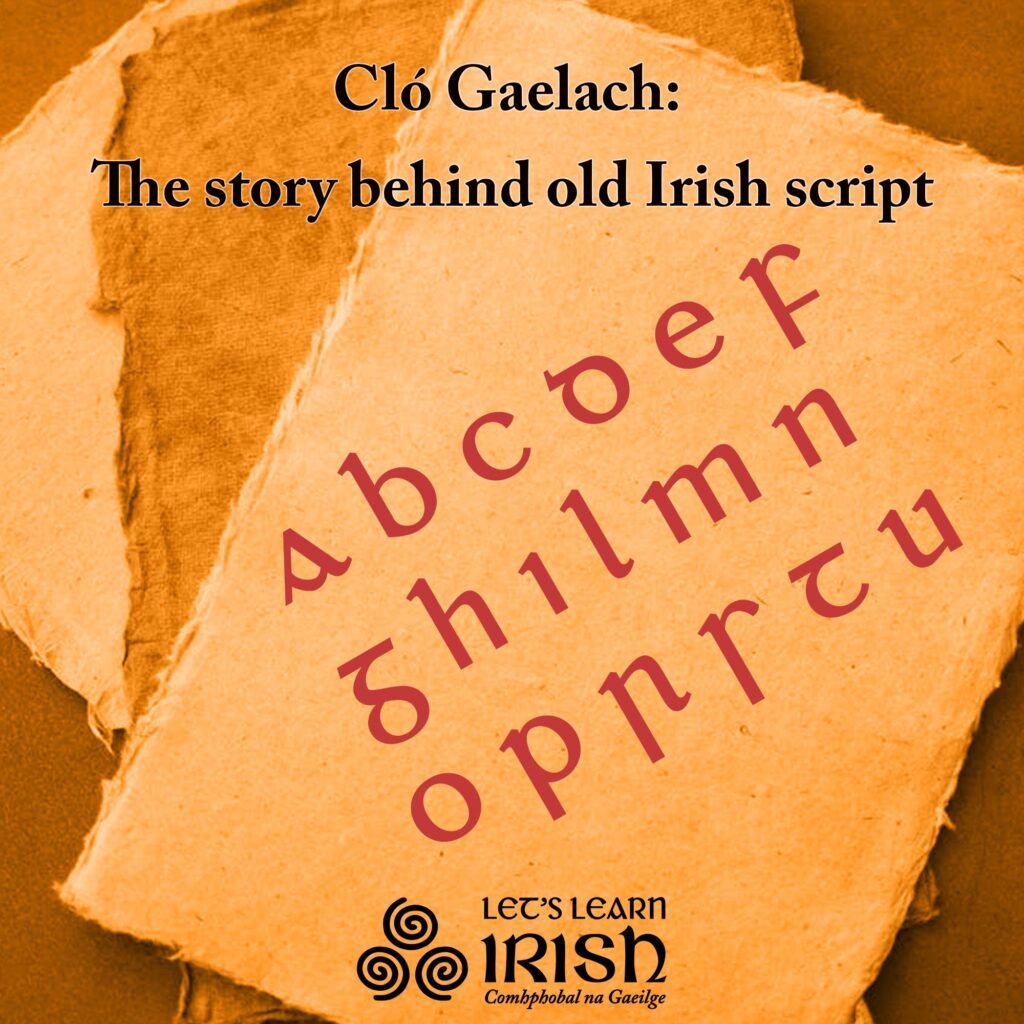
Cló Gaelach is believed to have been developed from the Latin alphabet and initially designed in the 16th century. Its first authentic version emerged in 1611 from the Irish Franciscans in Louvain. The script was most commonly used until the middle of the 18th century in Scotland and until the 20th century in Ireland.

Please confirm you want to block this member.
You will no longer be able to:
Please allow a few minutes for this process to complete.