
10 Irish Verbs in the Present Tense


See our list of 55 unique Irish proverbs, known as ‘seanfhocail’, and listen to how each one is pronounced ‘as Gaeilge’.
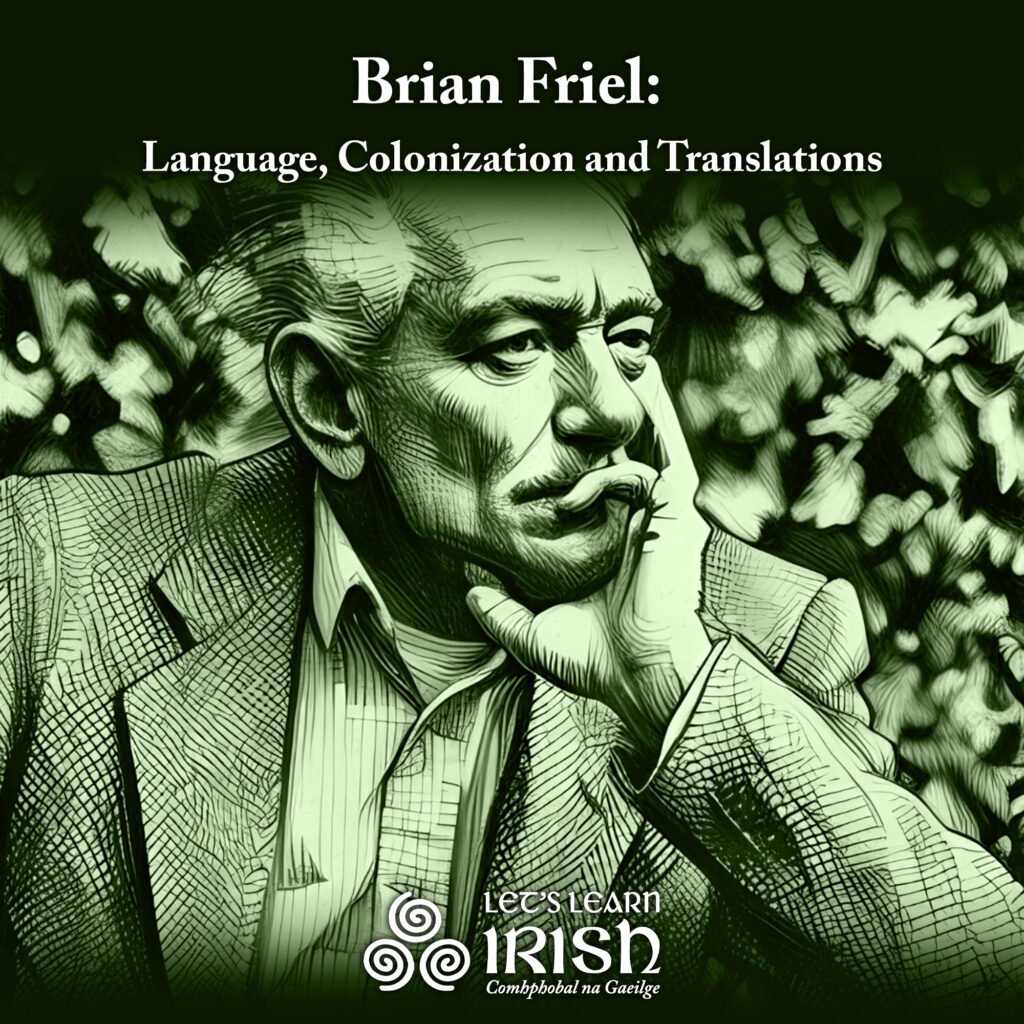
Sometimes referred to as the “Irish Chekhov,” Brian Friel is considered by many to be one of the greatest playwrights of his generation, in both Ireland and abroad. During the five decades that spanned his career, his work demonstrated not only daring artistic approaches, but also a wide range of topics addressed. From political activism to family dynamics, Friel’s plays took chances in form and content, making him a pioneer of his day. Additionally, because his plays were often set in rural towns and his career spanned over half a century, it is often remarked that his work embodied the evolution of the Irish countryside in the 20th century.

Want to find a special female name (or how it’s pronounced)? Here’s a list of 50 Irish Names for Girls, with their meaning and pronunciation.
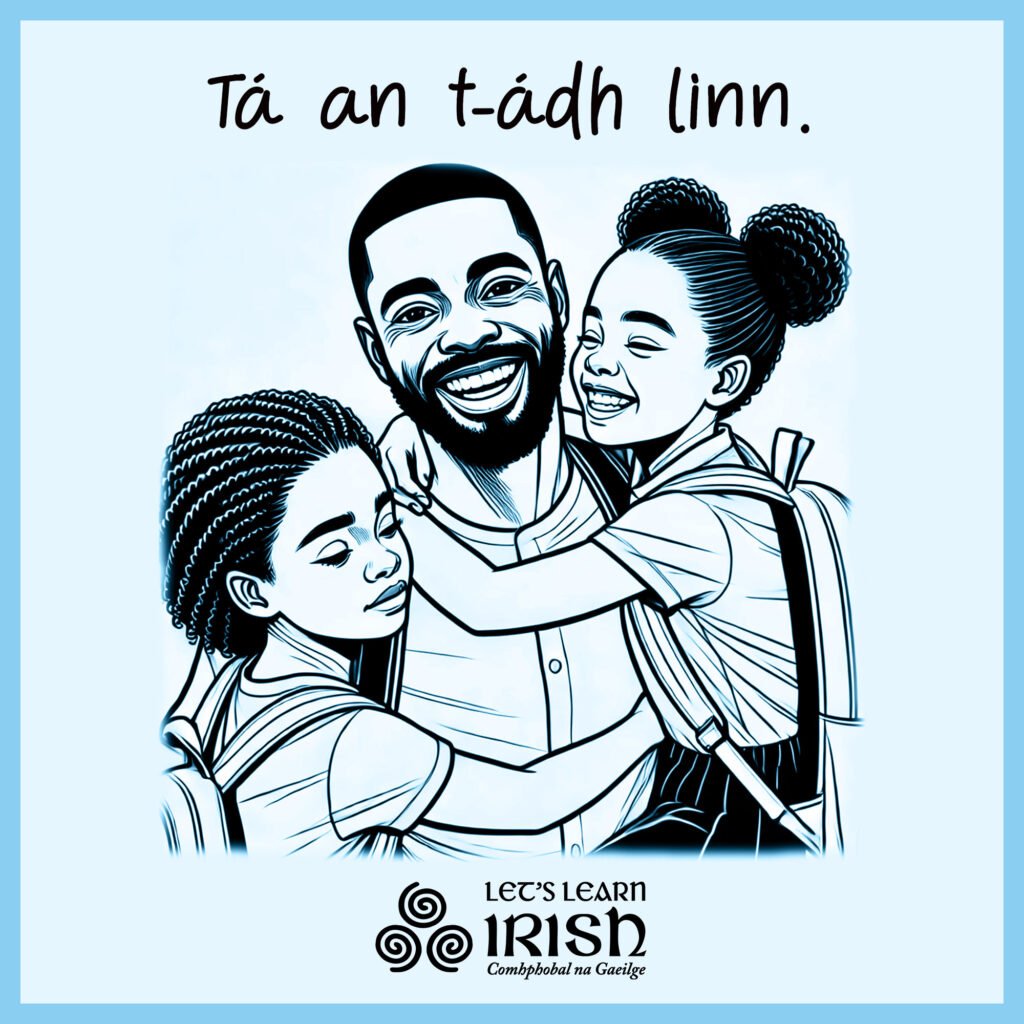
Would you like to speak Irish with your child at home, but you’re unsure where to start? Here are some useful Irish phrases you can use!
Seachtain na Gaeilge is an annual celebration of the Irish language that runs from March 1st to 17th each year!

Please confirm you want to block this member.
You will no longer be able to:
Please allow a few minutes for this process to complete.