Turas Gaeilge: Finding Irish Through Community, Commitment and Certification!
Growing up, my dad had a wrinkly old book of phrases in ten European languages on a shelf in his study. “Where is the bathroom?” “Where is the train station?” “What time does the old church open on Sunday?” From Estonian to Esperanto. Some evenings when I was bored, I would pore over its pages, learning how to count to ten. Those early encounters planted a quiet curiosity about language—how it works, how it sounds, and how it opens doors to other worlds.
Immersion Abroad and the Power of Living Languages
In high school, I travelled to Bolivia as an exchange student. I began studying Spanish before the programme started and committed myself fully to its guidelines, avoiding English as much as possible and immersing myself in Bolivian culture and Spanish.

One of the most powerful memories I carry from that time is sitting on a crowded overnight intermunicipal bus, listening to Bolivian children chirping in Aymará as they ran up and down the aisle among family members. That moment crystallised something for me: language lives in people, not textbooks.
Language learning, cultural exchange, and the vulnerability that comes with them transformed my perspective and set me on the path I’m still following today.
Searching for Irish Roots Through Language

Latino culture became my second home—mis primos muy queridos. Yet every year when St Patrick’s Day rolls around, closely followed by my birthday, and Irish cultural events fill the calendar, I feel a pang of estrangement mixed with guilt.
In my family, one parent is English, one is Irish American; each child was born in a different city; and now we’re scattered across the country. We’re not unique, but these intersections always prompt me to think about my connection to my own roots—and, given the importance of language in my life, my connection (or lack thereof) to the language that some of my ancestors must once have spoken.
Discovering Irish Online
I began learning Irish leis an ulchabhán glas, i.e. Duolingo, before a trip to the west of Ireland. I eagerly tried out my handful of phrases in shops around Ennis, without much success.
Then the pandemic hit. One day, I clicked on a link for free Irish classes that had been following me on social media. Suddenly, a whole world opened up. I discovered a wealth of resources for learning Irish online—from Teanglann.ie to ‘grúpaí comhrá’, and classes through groups like Let’s Learn Irish. Articles such as The Best Way to Learn Irish – Our Top 5 Tips! helped me understand how important community and conversation are to real progress. It was genuinely inspiring.
Burnout and the Limits of Online Learning
As the pandemic faded and ‘life as usual’ resumed, deep Zoom burnout set in. I didn’t know a single Irish speaker where I lived. As an independent music teacher, musician, and mother, I was usually teaching, rehearsing, or making dinner when online classes were happening. Slowly, I began losing the Irish I had learned. I felt stuck, unsure how to move forward. I was missing something essential: Irish as a living, shared language.

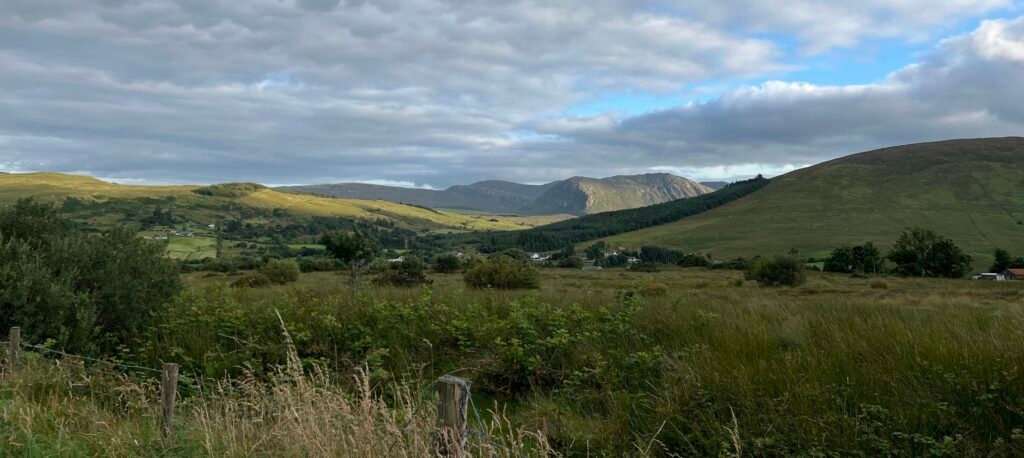
In 2024, I spent a week in the Donegal Gaeltacht. For the first time in my life, I spoke Irish with other people in person. I heard people casually speaking Irish with one another – gossiping, joking, chatting in hallways and pubs. That week changed everything. I left with new materials, renewed inspiration, and a determination I hadn’t felt before.
Let’s Learn Irish and Building Confidence
Throughout my journey, Let’s Learn Irish has been an anchor. They hosted some of the first online conversation groups I ever attended. I took part in classes, attended ‘Video Only’ courses and even joined a ‘yoga as Gaeilge’ event. I also enjoyed their wider cultural and linguistic articles, such as The Top 50 Irish Words, As Voted By You!, which made the language feel communal rather than academic. After I returned from Donegal, Let’s Learn Irish offered me my next challenge: sitting the TEG Leibhéal A2 exam in person in Washington DC!
Facing the TEG Exam

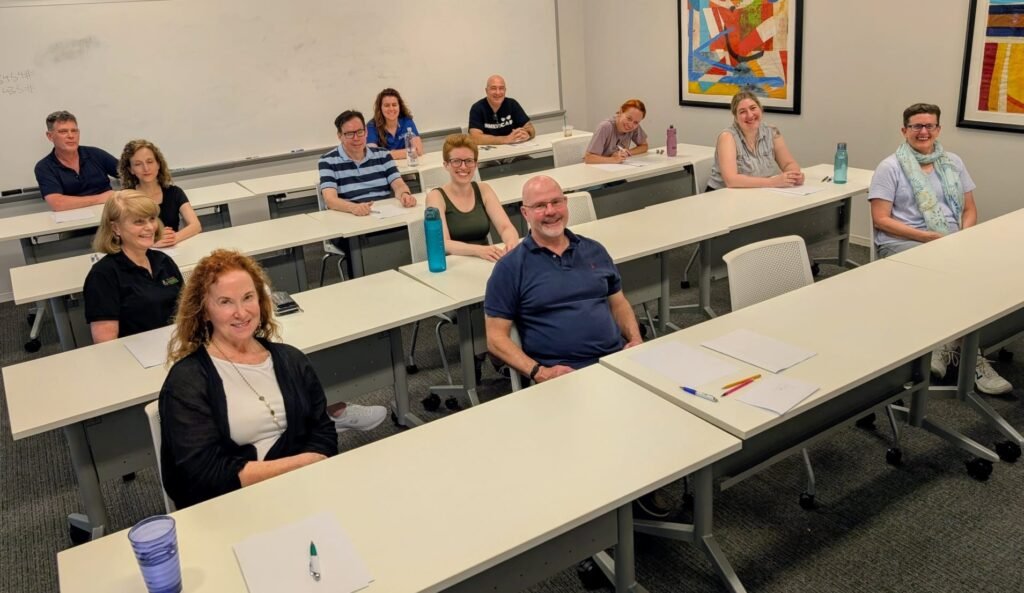
I signed up as soon as I could. I was eager to see how my Irish measured up to international standards – and just as excited to meet members of the Let’s Learn Irish community face to face.
In the weeks leading up to the exam, nerves crept in. “Ní raibh mé ag déanamh go leor oibre ar mo chuid Gaeilge”, I told myself. Why couldn’t I prioritise it more?
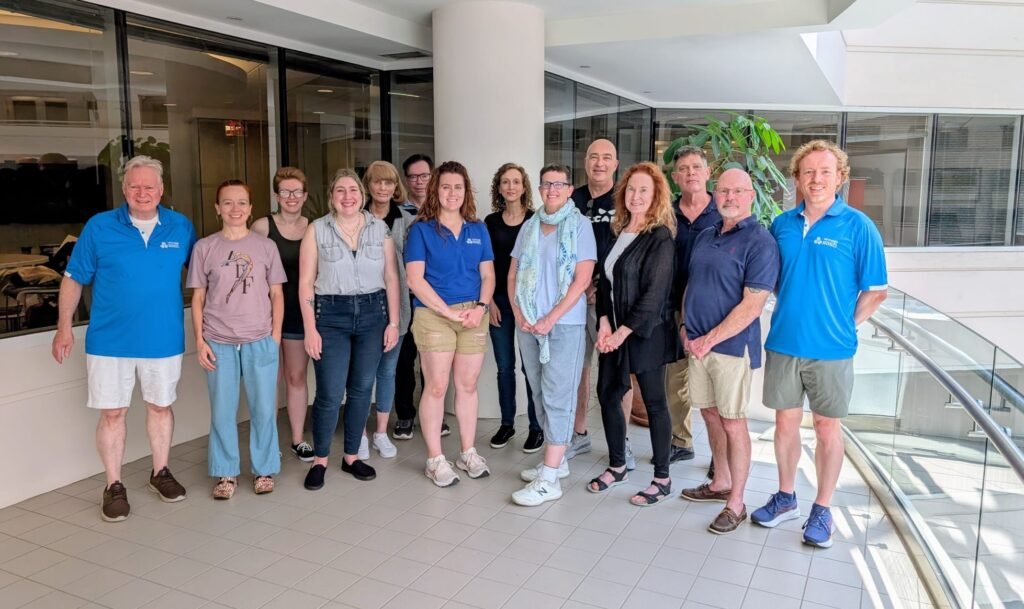
Driving from North Carolina to Washington DC on the day before the exam, I listened to Muinteoir Quinton’s practical advice for test-takers that he had recorded for us students. His calm, pragmatic guidance helped to ground me. Beidh muid ceart go leor! The next day, meeting Rónán, the examiners, and other students from across the USA in person made the whole trip well worthwhile.

Achievement and Continuation
The oral exam came first. The examiners were incredibly kind. I began confidently enough – cá bhfuil tú i do chónaí? and the like – but soon my head was spinning. I questioned every séimhiú and urú, first silently, then aloud. I left the room feeling like a survivor.
After lunch, we completed the rest of the exam and relaxed together, chatting over snacks. Six weeks later, the results arrived: Pas le Tuillteanas – A Pass with Merit!
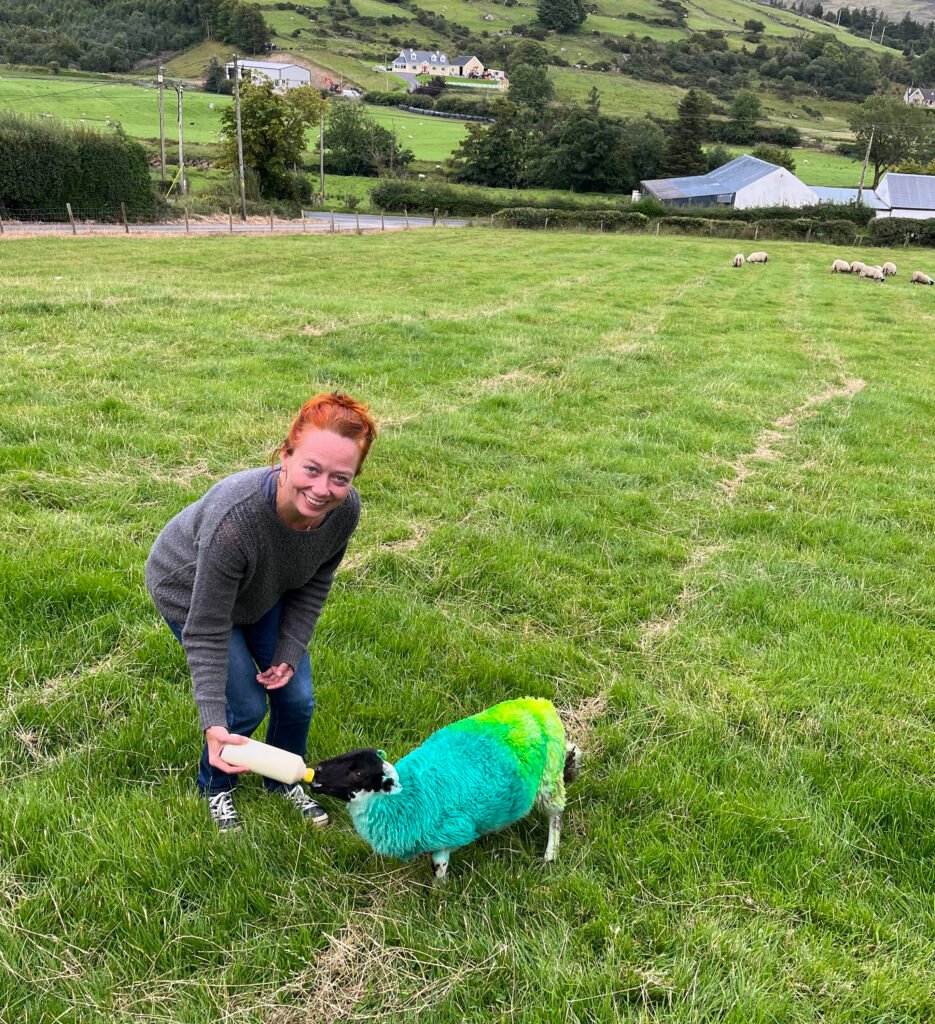
I write this now from back in the Gaeltacht: Táim ag cleachtadh agus ag feabhsú mo chuid Gaeilge. Ar aghaidh linn, agus buíochas mór do gach duine as an gcabhair agus an spreagadh!

Bígí páirteach!
Join the online Irish community at LetsLearnIrish.com.
Follow on social media @LetsLearnIrish.