
Teangacha: Languages


See our list of 55 unique Irish proverbs, known as ‘seanfhocail’, and listen to how each one is pronounced ‘as Gaeilge’.
Our list of ‘The 12 Best Irish Podcasts’ will be music to the ears of Irish learners and speakers everywhere! Éístigí leo…
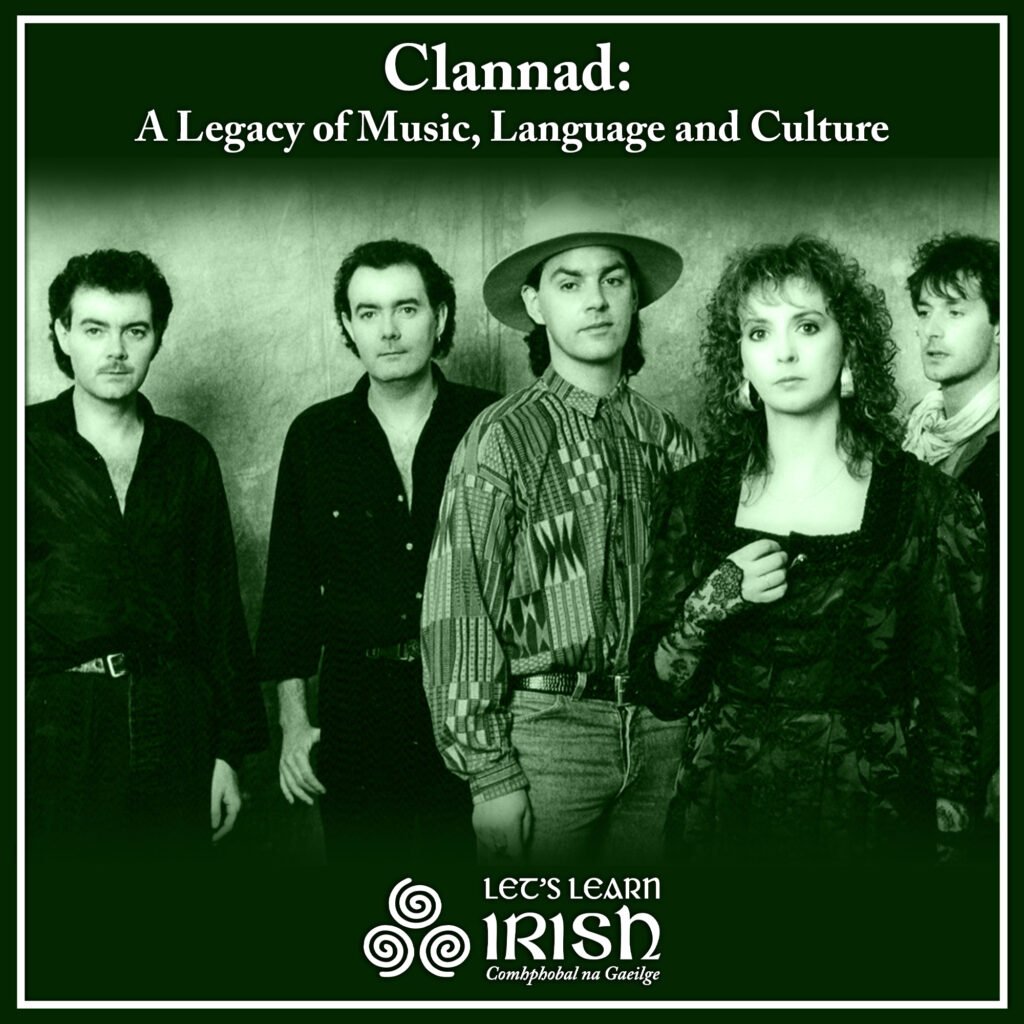
Clannad, the pioneering, Grammy award-winning Irish band formed in the early 1970s, holds a unique place in both musical and cultural history. Renowned for blending traditional Irish music with modern elements like jazz, folk, and ambient textures, Clannad did something even more remarkable – they introduced the Irish language to a global audience. Their lyrical commitment to Irish, alongside their ethereal sound and deep-rooted cultural identity, transformed them from a local Donegal band into internationally acclaimed ambassadors for the Irish language and culture.
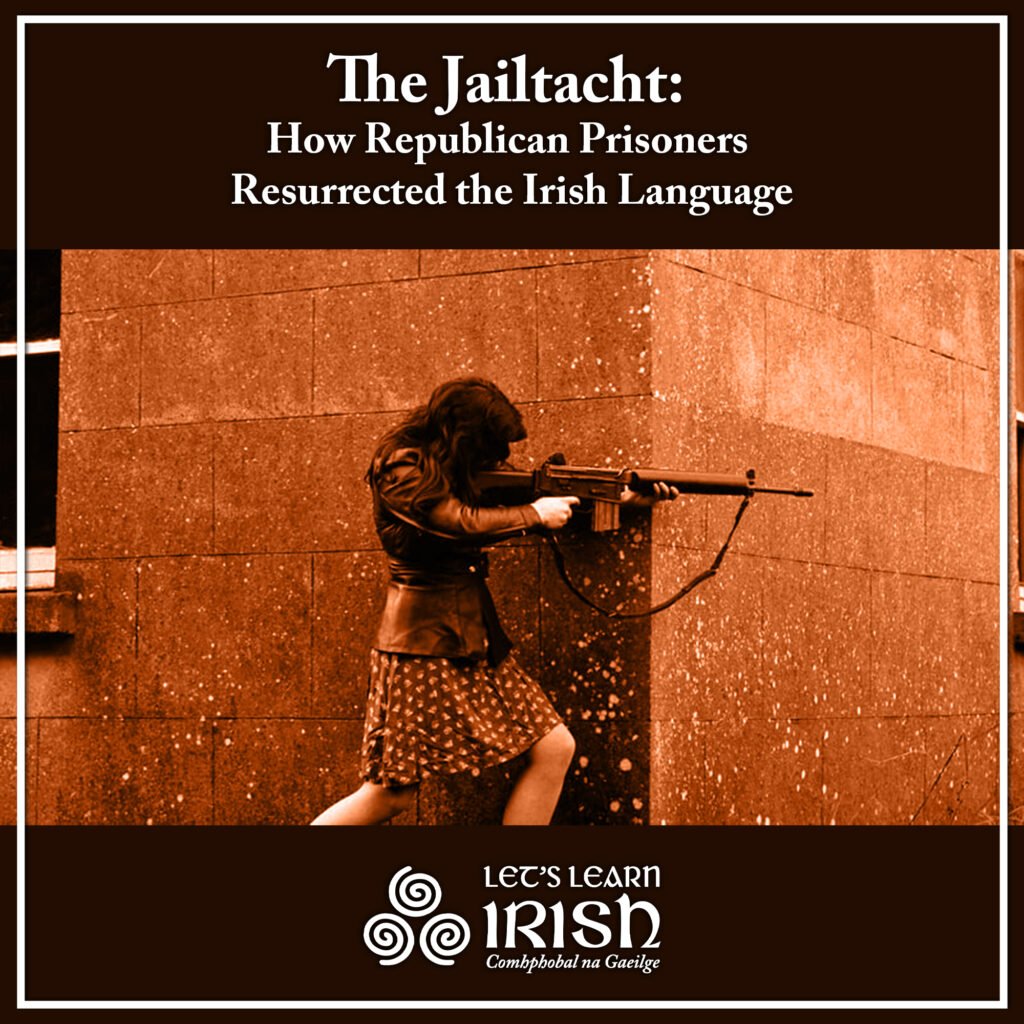
In the most unlikely of places, behind the walls of some of the North’s most notorious prisons, the Irish language was not only kept alive but radically transformed. From the 1970s to the present day, Irish republican prisoners defied institutional suppression to learn, teach, and promote Irish, turning prison cells into classrooms and silence into cultural revival. This linguistic resistance, born in the harsh conditions of internment and protest, had a dramatic impact beyond the prison walls, ultimately reshaping attitudes toward the Irish language across the island of Ireland.
The two languages are similar enough that someone who can speak one of them comfortably may be able to comprehend the other, albeit with help from a dictionary at times. Irish and Scottish Gaelic sometimes draw comparisons to Spanish and Portuguese, which can be quite similar and share a high degree of mutual intelligibility in their written forms.

Please confirm you want to block this member.
You will no longer be able to:
Please allow a few minutes for this process to complete.