Aerach agus Gaelach: Queerness and LGBT+ Identity in Irish-Language Literature
Reshaping Irish Language Literature
Irish is no longer just the language of saints and scholars. It is also the language of queer poets, novelists, performers and activists who are bringing their full selves to the page, the stage and the screen. For many people, Irish-language literature conjures images of rural Gaeltacht life, traditional values and Catholic conservatism. However, a growing and vibrant body of work is challenging that assumption – and has been doing so, quietly at first, for longer than you might expect.
In this article we will explore how queer writers have reshaped literature as Gaeilge, and continue to do so, by celebrating LADT+ identity* and expanding on what it means to belong to the Irish-language community.
Early Voices: Seeds of a Quiet Revolution
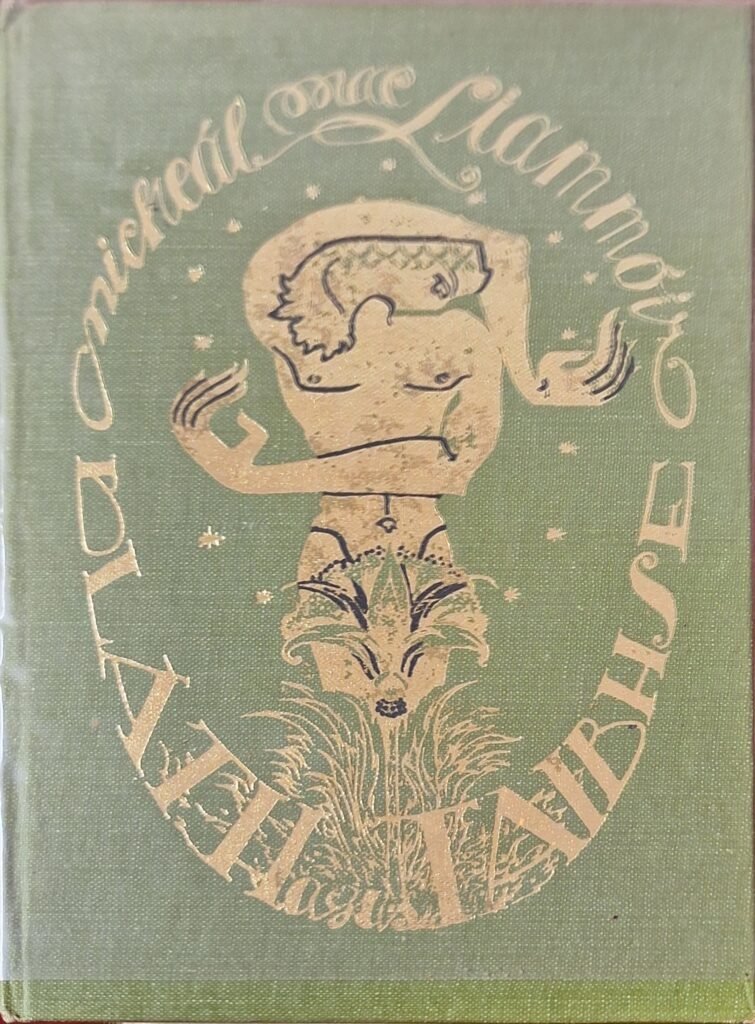
The history of queer expression in Irish-language literature is often traced back to Micheál Mac Liammóir (born Alfred Willmore, 1899–1978), the English-born playwright who reinvented himself as an Irishman, adopted the language, and became a foundational figure in Irish theatre. Together with his lifelong partner Hilton Edwards, he co-founded the Gate Theatre in Dublin. Mac Liammóir wrote extensively in both Irish and English, and some of his work carries distinctly queer undertones. His 1946 prose poetry collection Bláth agus Taibhse is among the earliest examples of queerness surfacing – however obliquely – in Irish-language writing. Irish society largely tolerated their open partnership at a time when homosexuality was criminalised. When they died, they were buried in the same grave.
Around the same period, poets such as Pearse Hutchinson (1927–2012) and later Seán Hutton (1940–2024) were also weaving queer sensibilities into their Irish-language verse. Their work did not announce itself loudly, but it planted seeds that later writers would tend with far greater openness.
The 1990s onwards: Pádraig Standún
The decriminalisation of homosexuality in Ireland in 1993 marked a watershed moment, and Irish-language literature responded. Pádraig Standún – a Catholic priest and Irish-language novelist – published Cion Mná that same year, a novel set in the Conamara Gaeltacht that centred a lesbian couple. It was a startling and courageous act of representation in a language that had rarely, if ever, addressed queer love so directly.
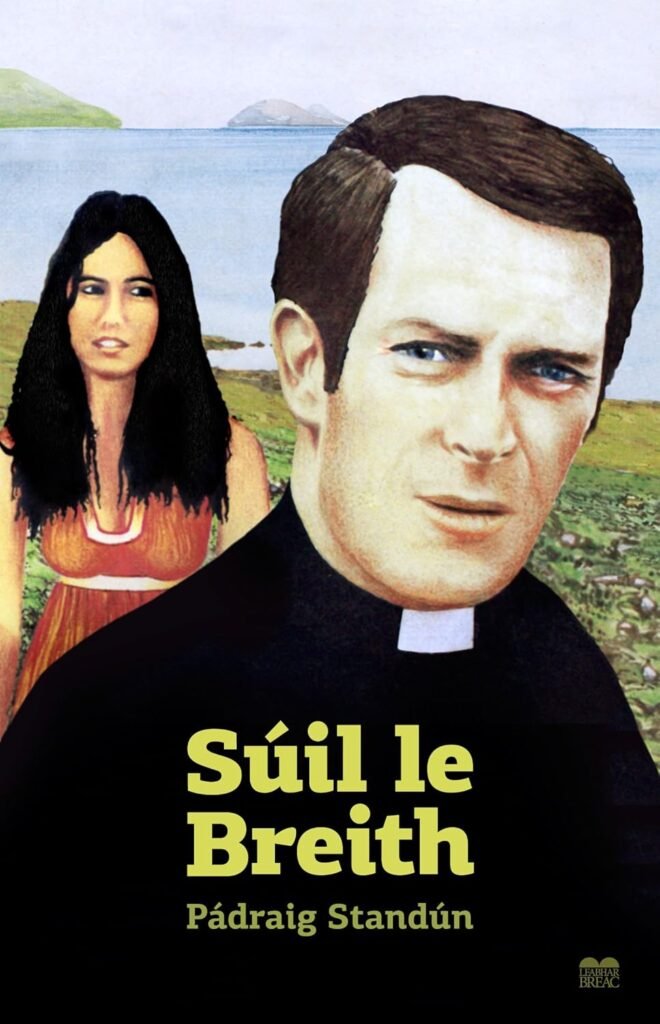
While not exclusively focused on LGBT+ themes, Standún’s writing contributes to broader discussions about who belongs within Irish cultural identity and how communities respond to difference. His earlier novel, Súil le Breith (1983), translated as The Lovers in English, was similarly controversial in its subject matter. With these publications, Standún participates in the important shift away from idealized or singular representations of Irishness toward more diverse and inclusive perspectives. Standún’s work emphasises to learners that the language is not tied to one political viewpoint, one lifestyle, or one type of person. Instead, it is a living language shaped by many experiences and identities.
Micheál Ó Conghaile
The writer who would come to define queer Irish-language fiction, however, is Micheál Ó Conghaile from Inis Treabhair, County Galway. Born in 1962 into an Irish-speaking island community, Ó Conghaile is both a prize-winning author and the founder of Cló Iar-Chonnacht, the Connemara-based publishing house that has done more than any other to build a contemporary Irish-language literary canon.
His 1997 short story collection An Fear a Phléasc contains the story ‘Athair’ (Father), which tells of a young man coming out to his rural Irish-speaking father. It won the Hennessy Literary Award and has since been described as one of the most affecting short stories written in either Irish or English in the last half-century. It is now on the Irish Leaving Certificate syllabus – a quiet revolution in plain sight. His 1999 novel Sna Fir (Among Men) follows a young gay Gaeltacht man navigating gay life in Dublin, and has been called “úrscéal mór homaighnéasach na hÉireann” – Ireland’s great gay novel.
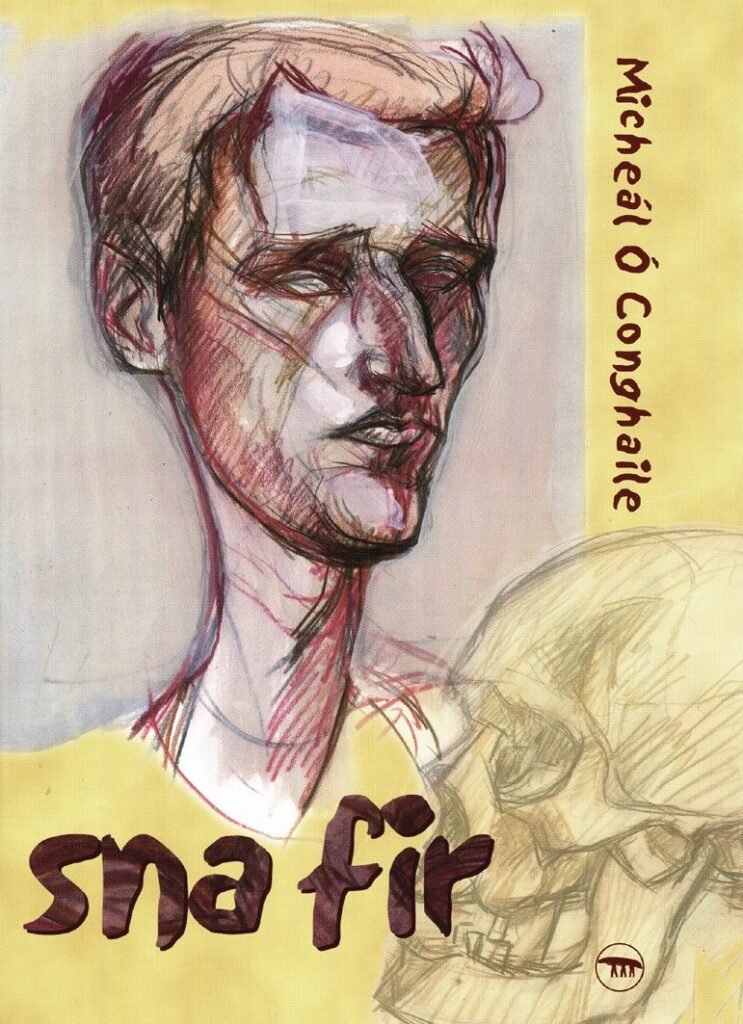
Cathal Ó Searcaigh
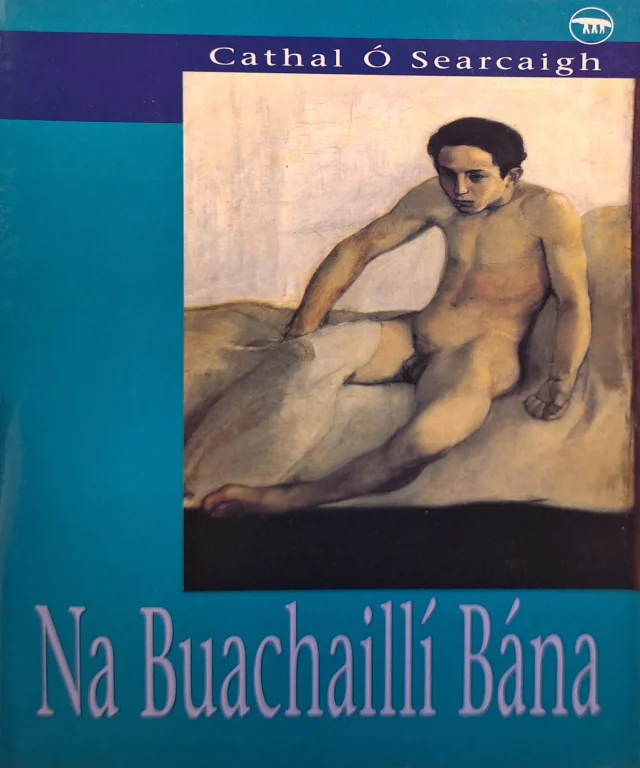
One of the most internationally recognized queer voices in Irish-language literature is Cathal Ó Searcaigh. Born in Donegal in 1956, and deeply rooted in the Gaeltacht tradition, Ó Searcaigh’s poetry often combines themes of landscape, memory, spirituality, and sexuality.
His work was groundbreaking because it openly addressed same-sex desire in Irish at a time when such themes were rarely discussed publicly, particularly within traditional Irish-speaking communities. Publications such as Out in the Open, The Black Coat and Na Buachaillí Bána explore longing, intimacy, isolation and personal freedom with lyrical honesty.
Ó Searcaigh’s poetry frequently places queerness within the natural world. Mountains, weather, rural landscapes and the sea become emotional and symbolic spaces where identity can be explored. This connection between sexuality and place is especially significant in Irish-language literature, where landscape has always played a central cultural role.
At times, his work also reflects tension between individuality and community expectations. The speaker in many poems desires openness and authenticity while remaining aware of social conservatism and silence surrounding sexuality. His work has helped to expand the boundaries of what could be written – and imagined – in the language.
Ciara Ní É
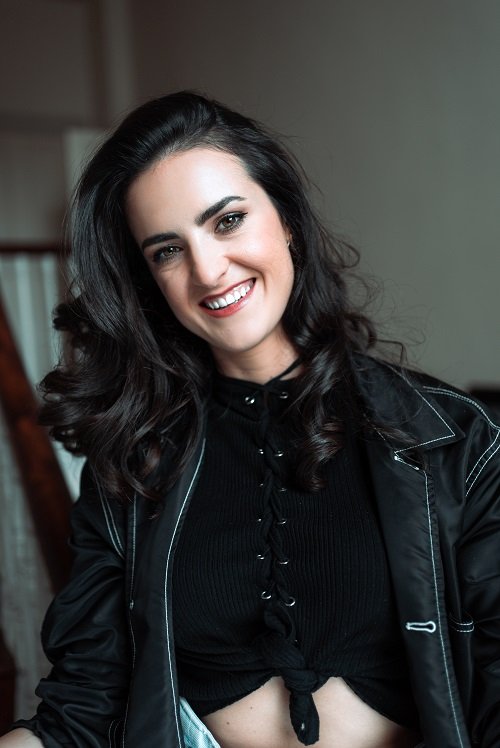
Ciara Ní É, named one of the Irish Examiner’s 100 Women Changing Ireland in 2022, is a bilingual writer, performer and broadcaster. In recent years she has become a prominent figure in both the Irish-language scene and the LADT+ community*. In 2015 she founded REIC, a monthly bilingual spoken-word night that created space for artists performing as Gaeilge – including queer artists.
In 2020, she co-founded AerachAiteachGaelach with Eoin McEvoy, a queer Irish-language arts collective that has produced work at the Abbey Theatre, the Dublin Fringe Festival and the International Literature Festival Dublin. Their 2022 show Grindr, Saghdar & Cher – which toured nationally and was staged at the Galway International Arts Festival – brought queer Irish-language performance to new audiences with wit, energy and cultural confidence.
Ní É has spoken about the experience of feeling doubly outside – as a queer person in Irish-language spaces, and as an Irish-language speaker in queer spaces – and how that double outsiderness became a creative and political prompt.
Why Queer Representation Matters in Irish Literature
Representation matters because literature shapes how communities imagine themselves. For much of modern Irish history, public images of Irish identity were often narrow – closely tied to religion, nationalism, rural life and traditional gender roles. Queer Irish-language writers challenge these limitations by showing that Irish-speaking communities have always contained a diversity of identities and experiences.
Reading LGBT+ voices as Gaeilge helps learners encounter authentic, modern language in emotionally meaningful contexts. Literature becomes not only a language-learning tool, but also a way of understanding the changing realities of Irish society. Queer representation reminds readers that the Irish language belongs to everyone.
What makes queer Irish-language literature particularly resonant is the experience of double marginality. To be queer in Ireland was already to exist at the edges of social acceptability. To do so through the medium of a minority language added another layer of invisibility and, for many, another layer of meaning.
The theme of identity also runs through the texts mentioned, not just as sexual or gender identity, but as linguistic and cultural identity too. Characters in Ó Conghaile’s fiction are not abstract gay men – they are Gaeltacht men, shaped by a specific community, a specific landscape, a specific tongue. Marginalization – of the language, of queer people, of rural communities – becomes layered and mutually illuminating in these texts. The Irish language itself has spent centuries on the margins, suppressed and endangered. Its speakers have long understood what it is to be told that your way of life, your identity, your tongue does not belong at the centre of things. Queer writers working in Irish draw on that shared history of erasure, often making it a source of creative solidarity rather than defeat.
An Foclóir Aiteach & Emerging Literature
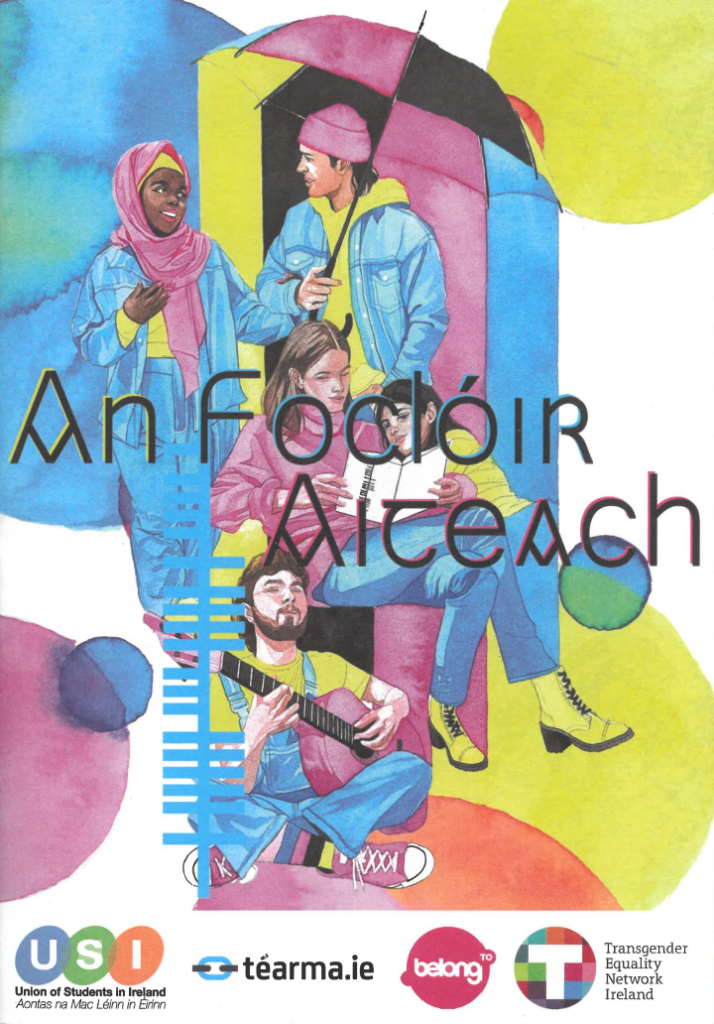
One of the practical challenges for queer people engaging with Irish has been the absence of vocabulary to name their identities. This has begun to change. The development of An Foclóir Aiteach – a queer Irish-language glossary – has given the community terms to identify themselves, and signals a deeper shift: the language is being claimed, expanded and renewed by the very people it once had no words for.
This matters enormously for language learners. When you learn Irish, you are joining a living community – and that community is more diverse than it is often portrayed. The literature emerging from queer Irish-language writers makes this diversity visible. It shows that Gaeilge is not a relic of a singular, conservative past but a language of the present, alive to the full complexity of who Irish people are. Irish-language literature has always been a space of survival and creativity. Today, queer writers are ensuring it is also a space of joy, honesty and pride.
Further Reading
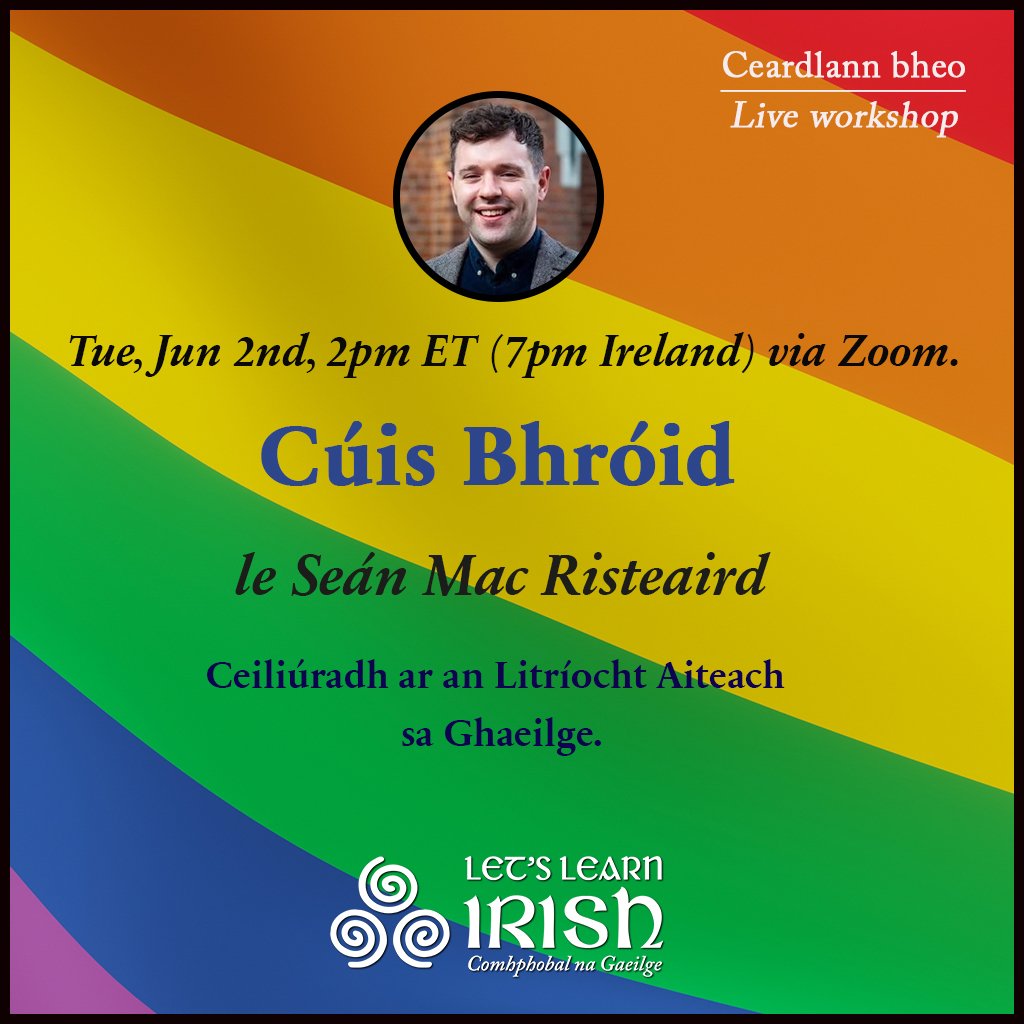
To learn more about this topic, join our upcoming Ceardlann (Workshop) with Dr. Seán Mac Risteard, titled ‘Cúis Bhróid: Ceiliúradh ar an Litríocht Aiteach sa Ghaeilge‘, on June 2nd.
For more reading, here is a starting point:
- Micheál Mac Liammóir – Bláth agus Taibhse (1946)
- Micheál Ó Conghaile – An Fear a Phléasc (1997), Sna Fir (1999)
- Cathal Ó Searcaigh – Ag Tnúth Leis an tSolas (2000)
- Pádraig Standún – Cion Mná (1993)
- Ciara Ní É – follow her work via REIC and AerachAiteachGaelach
* LADT+ is the Irish-language equivalent of LGBT+, representing Leispiach (Lesbian), Aerach (Gay), Déghnéasach (Bisexual) and Transinscneach (Transgender).
Join the online Irish community – beidh fáilte romhat!
Take a Course, join a Comhrá session or attend a Ceardlann.
For more, follow us @LetsLearnIrish – bígí páirteach!